Tracing the historical evolution of gambling through the ages
The Origins of Gambling
The origins of gambling can be traced back to ancient civilizations, where evidence suggests that games of chance were prevalent in societies like Mesopotamia, China, and Egypt. Archaeological findings reveal that rudimentary forms of gambling, such as betting on the outcomes of games or events, were common even as early as 3000 BC. These early games often used knuckle bones, or “astragali,” which served as rudimentary dice, showcasing the human fascination with risk and uncertainty. If you’re interested in exploring more, various betting online sites provide valuable insights into this thrilling world.

In ancient China, gambling was tightly interwoven with culture and tradition, with historical texts mentioning the use of betting games during festivities. The Chinese developed complex games like “Keno” around 200 BC, indicating a sophisticated understanding of chance and strategy. These early forms of gambling not only served as entertainment but also as a social bonding activity, enhancing community ties during celebrations and gatherings.
As societies evolved, so did the methods and regulations surrounding gambling. The ancient Greeks introduced betting on athletic competitions, particularly the Olympic Games, which highlighted the dual nature of gambling as both a sport and an entertainment platform. Through trade and exploration, these practices spread to neighboring regions, laying the groundwork for organized gambling as we know it today.
The Middle Ages: Regulation and Growth
The Middle Ages marked a significant turning point in gambling’s evolution, characterized by both increasing popularity and stringent regulations. During this time, various forms of gambling emerged across Europe, from card games to betting on the outcomes of jousting tournaments. However, as gambling’s popularity grew, so did concerns about its moral implications, leading to various forms of regulation by governing bodies. Many towns instituted bans or restrictions to curb what was perceived as moral decay.
Despite these challenges, gambling flourished under the veil of societal norms. The invention of playing cards in the 14th century brought new dimensions to gambling entertainment. Various card games, such as Poker and Rummy, began to gain traction, leading to the establishment of informal gambling houses, where players could gather to partake in games of skill and chance. These informal venues laid the groundwork for modern casinos, demonstrating the resilience of gambling through adversity.
During this period, gambling became intertwined with the rise of commerce, as merchants began to sponsor games and betting events. The interaction between gambling and economic activity further fueled its popularity, drawing in people from all walks of life. By the end of the Middle Ages, gambling was firmly entrenched in European culture, evolving from an ancient pastime into a significant social activity.
The Renaissance and the Birth of Modern Gambling
The Renaissance period heralded a new era for gambling, characterized by the emergence of more organized forms of play and the birth of modern casinos. With the advent of printing technology, gambling literature proliferated, providing a means for players to learn strategies and understand the odds associated with various games. This democratization of knowledge allowed a broader audience to engage in gambling, shifting it from elite circles to the general populace.
In the 17th century, the first public gambling houses were established in Italy, marking a pivotal moment in the history of gambling. The Casino di Venezia, opened in 1638, became a model for future establishments, offering a variety of games including cards and dice. The concept of the casino spread throughout Europe, igniting a cultural phenomenon that blended leisure, social interaction, and the thrill of chance.
By the late 19th century, gambling had transcended its local roots, becoming a global industry. The introduction of betting on horse races and the establishment of lottery systems in various countries further solidified gambling’s place in society. This period not only highlighted the evolution of gambling as an entertainment medium but also underscored its economic implications, becoming a revenue source for governments through taxation and regulation.
The 20th Century: Regulation and Expansion
The 20th century brought profound changes to the gambling landscape, as widespread societal shifts influenced the way gambling was perceived and regulated. The post-World War II era saw a surge in leisure activities, including gambling, with Las Vegas emerging as a capital of entertainment and gaming. The establishment of legalized casinos in Nevada in 1931 signified a turning point, providing a regulated environment for gambling that attracted millions.
As gambling gained acceptance, states across the U.S. began to implement their own regulations, leading to the proliferation of state lotteries and the establishment of riverboat casinos. Meanwhile, technological advancements paved the way for online gambling in the late 1990s, transforming the industry once again. Players could now place bets from the comfort of their homes, leading to a global expansion of gambling platforms and markets.
This era also prompted discussions around responsible gambling and the social implications of gambling addiction. As the industry expanded, stakeholders began to recognize the need for regulations that protect players, implementing measures to promote responsible gambling practices. This dual focus on entertainment and social responsibility has shaped modern gambling policies and continues to influence the industry’s evolution.
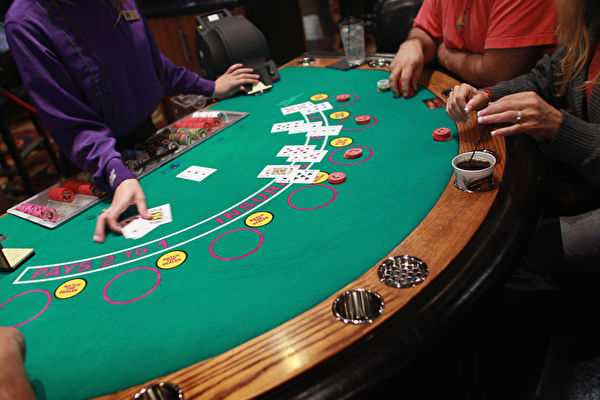
Contemporary Gambling: Trends and Future Directions
Today, gambling is an integral part of global entertainment, adapting to technological advancements and changing societal norms. With the rise of mobile applications and online platforms, individuals can participate in a multitude of gambling activities, from sports betting to virtual casinos, at any time and from virtually anywhere. The integration of innovative technologies, such as blockchain and virtual reality, is further revolutionizing the landscape, enhancing user experiences and security.
The recent focus on responsible gambling has led to increased collaboration between regulators, operators, and support organizations. Initiatives aimed at educating players about risks and promoting healthier gambling behaviors are becoming common practice. Additionally, the dialogue surrounding the ethical implications of gambling continues, as society grapples with the balance between personal freedom and the potential for harm.
As the gambling industry evolves, so too do the regulations and technologies that govern it. The future promises further growth, driven by innovations that engage players while addressing the ethical considerations at stake. Understanding the historical evolution of gambling is essential for navigating this dynamic landscape and preparing for the challenges and opportunities that lie ahead.