Understanding House Edge and Probability
One common myth surrounding casinos is the belief that players can consistently beat the house edge through strategies or systems. However, the house edge is a fundamental aspect of casino games, designed to ensure that the casino maintains a long-term profit. For example, in games like roulette, the presence of a zero or double zero gives the casino a statistical advantage over the players, especially at a neosurf deposit casino where unique betting options are available. No betting system can alter the probabilities built into these games, meaning that expecting to win in the long term is a misconception.
Moreover, many players believe that a game can enter a “hot” or “cold” streak based on previous outcomes. In reality, each spin of a slot machine or the shuffle of a deck of cards is an independent event, unaffected by what occurred before. This means that players cannot anticipate future results based on past performance, debunking the myth that trends can influence gambling outcomes. Understanding these principles can help players make more informed decisions when they gamble.
Additionally, people often think that certain games are more favorable to players if played with specific strategies. For instance, while poker does involve skill and strategy, many players overestimate their ability to consistently win against seasoned opponents. While improving one’s skills can increase chances in games like poker, the inherent unpredictability of gambling means no strategy can guarantee success, reinforcing the reality of the house advantage.
The Illusion of Control
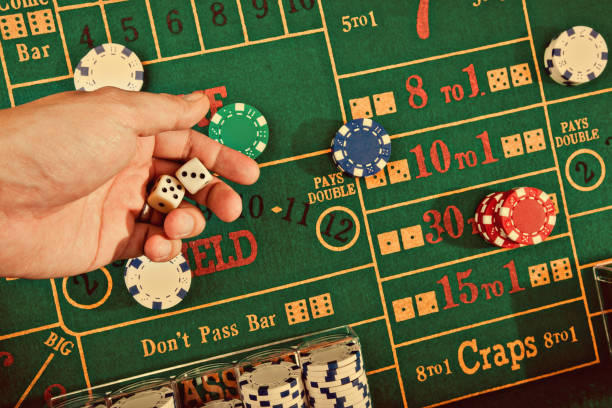
Another prevailing myth is the illusion of control that many players feel during gameplay. This belief leads individuals to think they can influence the outcome of games like slots or dice by applying techniques such as timing their bets or using rituals. In truth, most casino games rely heavily on chance, and attempts to control outcomes are ultimately futile. The mechanics of these games are designed to be unpredictable, ensuring that players are unable to exert any real influence over the results.
The notion that one can “read” games, such as blackjack or poker, is also misleading. Although there are strategies to improve decision-making in card games, relying on intuition or “gut feeling” can lead to poor choices. Players must remember that, especially in games where luck is a significant factor, outcomes are not influenced by personal beliefs or emotional states. The randomness inherent in most casino games is a crucial aspect that players must accept.
Moreover, some players believe in luck charms or talismans that supposedly enhance their chances of winning. This belief can lead to a deeper emotional investment in the outcomes, causing players to overlook rational decision-making. Ultimately, success in gambling is largely dictated by probability, and relying on superstitions will not change the odds in one’s favor.
Compulsive Gambling and Misunderstanding Odds
Compulsive gambling is a serious issue that affects many individuals, yet misconceptions about it persist. Some believe that anyone who gambles regularly is a compulsive gambler, which is an oversimplification. Problem gambling is characterized by an inability to control the urge to gamble, often leading to negative personal and financial consequences. Understanding the signs of gambling addiction is crucial for both players and their loved ones, as awareness can lead to timely interventions.
There’s also a widespread misunderstanding about odds and payouts. Many players are drawn to the allure of big jackpots, mistakenly believing that winning a large sum is just around the corner. In truth, the odds of hitting a jackpot in slot machines or lotteries are astronomically low. Players should be aware that the excitement of potentially winning large amounts does not equate to a reasonable expectation of success. Recognizing these odds can help set realistic expectations and prevent disappointment.
Additionally, many gamblers often confuse the concepts of risk and reward. They may assume that placing higher bets guarantees larger payouts, which is not necessarily true. Higher stakes can lead to greater losses just as easily as they can lead to higher wins. Awareness of one’s gambling habits and understanding the risks involved is essential in safeguarding oneself against falling into the trap of compulsive gambling.
Online Gambling Myths
With the rise of online casinos, a slew of myths has emerged regarding their legitimacy and fairness. One widely held belief is that online games are rigged or manipulated to favor the house more than traditional casinos. In reality, reputable online casinos are required to use Random Number Generator (RNG) software to ensure fair play. This technology simulates randomness, making it virtually impossible for the casino to control outcomes. Players can rest assured that licensed online casinos prioritize fairness and transparency.

Another misconception is that online gambling offers no rules or player protections. Many players think they are at greater risk of being cheated, but in fact, licensed online casinos operate under strict regulatory guidelines. These regulations protect players and provide avenues for recourse should issues arise. Understanding the legal landscape surrounding online gambling can alleviate fears and bolster player confidence in these platforms.
Moreover, some believe that playing online is less social and fun than visiting a physical casino. While it’s true that online platforms lack the physical presence of a live venue, many have integrated social features like chat rooms and live dealer games to create engaging experiences. This technological advancement enables players to enjoy the thrill of gambling from the comfort of their homes while still interacting with others, debunking the myth that online gambling is a solitary endeavor.
Gaming Resources and Responsible Gambling
Finding reliable information about gambling is crucial for players seeking to understand the intricacies of the industry and promote responsible behavior. Numerous resources provide valuable insights into the various games, odds, and strategies. Websites dedicated to gambling education can offer guidelines for both new and experienced players, ensuring they make informed choices and understand the implications of their actions.
Additionally, many casinos and online platforms are implementing responsible gaming initiatives that help players manage their behavior. Features like self-exclusion, deposit limits, and budget tracking tools can assist individuals in maintaining control over their gambling habits. Understanding and utilizing these resources can significantly reduce the risk of developing problematic gambling behaviors.
Lastly, if someone feels overwhelmed or begins to experience negative impacts from gambling, seeking professional help is vital. Numerous organizations specialize in helping individuals with gambling addiction, providing support and guidance. Players should prioritize their mental health and wellbeing, recognizing when it’s time to reach out for assistance while being aware that resources are available to support them in their journey.